Psychotherapy
Individual psychotherapy for adults.
You don’t have to be in crisis to benefit from therapy. Everyone encounters difficult experiences, periods of change, and times when familiar ways of coping no longer feel sufficient. You may have navigated challenges successfully throughout your life and still find yourself wondering whether therapy could offer something different.
At Whole Life Psychotherapy, I work with adults using a trauma-responsive, integrative and experiential approach. My work recognizes the interconnectedness of mind, body, emotion, relationship and lived experience, and incorporates mindfulness, creativity, art and sound as part of the therapeutic process.
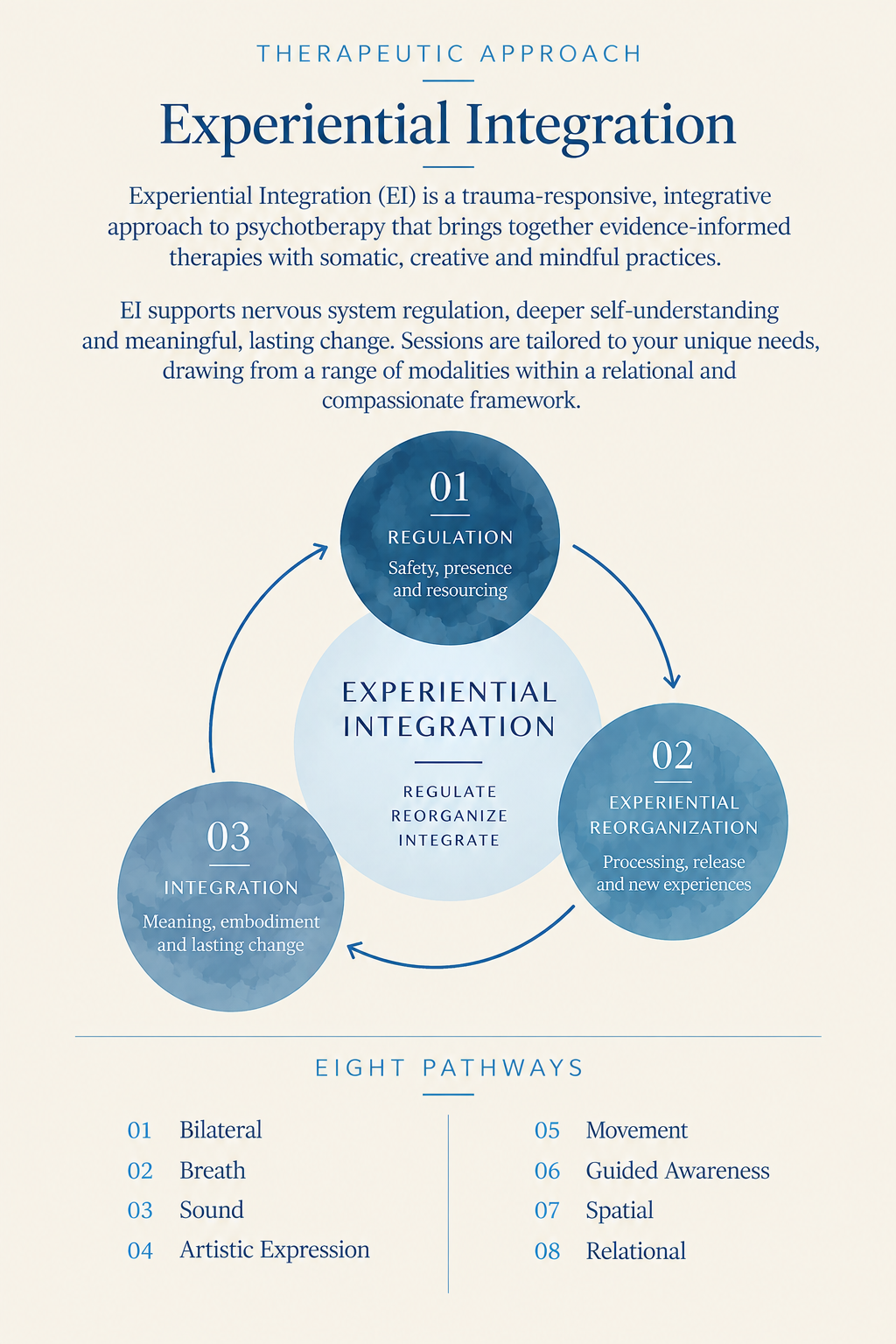
Therapy is collaborative and responsive to your individual needs. Depending on what we are working with, sessions may draw from talk therapy, EMDR, somatic therapy, mindfulness-based practices, art and sensorimotor approaches, sound, clinical hypnosis, and grief and loss therapy. My work is also informed by Experiential Integration, moving through processes of regulation, experiential reorganization and integration to support meaningful and embodied change.
Sessions are available in person in Walkerton and Durham, Ontario, and virtually across Ontario.
I am here to support
Working together
People come to therapy for many reasons — sometimes in response to a particular difficulty, and sometimes with a quieter sense that something in life needs attention or change.
I work with adults navigating trauma and difficult life experiences, chronic stress, anxiety, depression and low mood, grief and loss, relationship patterns, emotional regulation, and significant life transitions. Therapy is shaped around what you are experiencing and what feels most important to explore.
My work is guided by Experiential Integration, an integrative framework that brings different therapeutic approaches together within a process of regulation, experiential reorganization and integration.
Depending on your needs, our work may include talk therapy, EMDR, somatic and body-centred approaches, mindfulness and guided awareness, art and creative processes, sound, movement, clinical hypnosis, and grief work. Rather than using these as separate therapies, they are thoughtfully integrated to support deeper experiential work, insight and meaningful change.
Fees
15 minute consultation call - Free
60 minute session - $150
If you have questions about payment, sliding scale, insurance coverage, or receipts, please don’t hesitate to reach out.
I’ll be glad to clarify.
Your growth at your pace. Living a Whole Life.
FAQ
Choosing a therapist is an important decision, and you may have questions about how I work and what to expect. This section provides answers to some of the most common questions about my services and approach. If you don’t see your question here, please feel free to reach out — I’ll be glad to provide more information.
-
Yes. Talking can be deeply therapeutic on its own. Having a safe, confidential space to share your thoughts and feelings helps lighten the weight of carrying them alone. Speaking out loud often brings clarity, makes emotions easier to process, and allows patterns to become more visible. Being listened to with care and without judgment can create relief, connection, and a stronger sense of self. For many people, this is the foundation of healing.
-
EMDR is a structured approach to processing past experiences that remain stuck in the nervous system. In session, I may use hand-held tappers that provide bilateral stimulation, or other forms of alternating left-right attention. Together, we identify target memories or themes, notice thoughts, emotions, and body sensations that arise, and support the nervous system in completing what was once overwhelming.
-
EMDR is specifically designed to be safe and to avoid re-traumatization. The process is carefully paced, and we don’t dive straight into the most painful memories. Instead, we first build resources, grounding skills, and a sense of safety. During processing, you stay connected to the present moment while recalling aspects of past experiences, which allows the nervous system to reprocess without being overwhelmed.
I often describe it like watching a train go by: you can observe the events from a safe distance, without “getting off the train” and becoming swept into the experience again. We don’t go into the dark forest of memory unprotected — we stay on the tracks, moving forward with steadiness and support. You are always in control of the pace, and we can pause or stop at any time.
-
No. While EMDR was first developed for trauma and post-traumatic stress, it is now used for a wide range of concerns. EMDR can help with anxiety, depression, phobias, grief, and the effects of difficult life experiences or negative self-beliefs. It supports the nervous system in reprocessing stuck memories or patterns so that they no longer feel overwhelming, creating space for new ways of coping and responding.
-
Not at all. Somatic simply means “of the body.” Somatic therapy often involves subtle practices such as noticing breath, posture, or sensations, or using gentle grounding techniques. You do not have to move around unless you want to — it’s more about awareness than exercise.
Somatic Experiencing® is one form of somatic therapy I draw from. It focuses on how trauma and stress are stored in the nervous system and works gently with sensations, small shifts, and natural impulses to restore balance. Rather than retelling the whole story, Somatic Experiencing® helps the body complete survival responses that were once interrupted, supporting resilience and regulation.
-
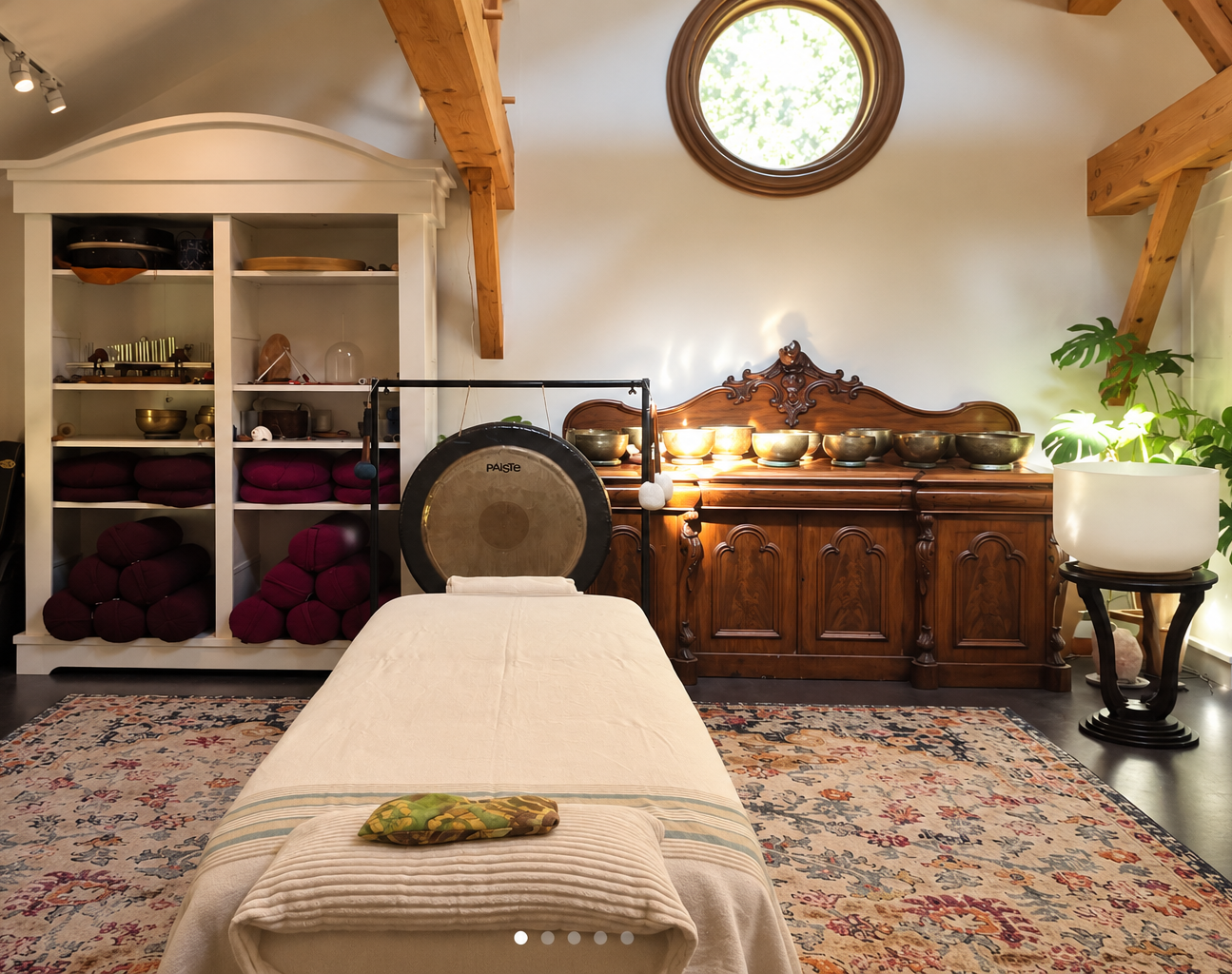
Sound can directly influence the nervous system, which is central in trauma healing. Sound therapy uses vibration, rhythm, and tone to support relaxation and regulation. Instruments like singing bowls, gongs, or voice can activate the parasympathetic nervous system, which helps the body move out of fight-or-flight into rest and repair. For some people, sound also offers a nonverbal way of processing, especially when words feel hard to find.
-
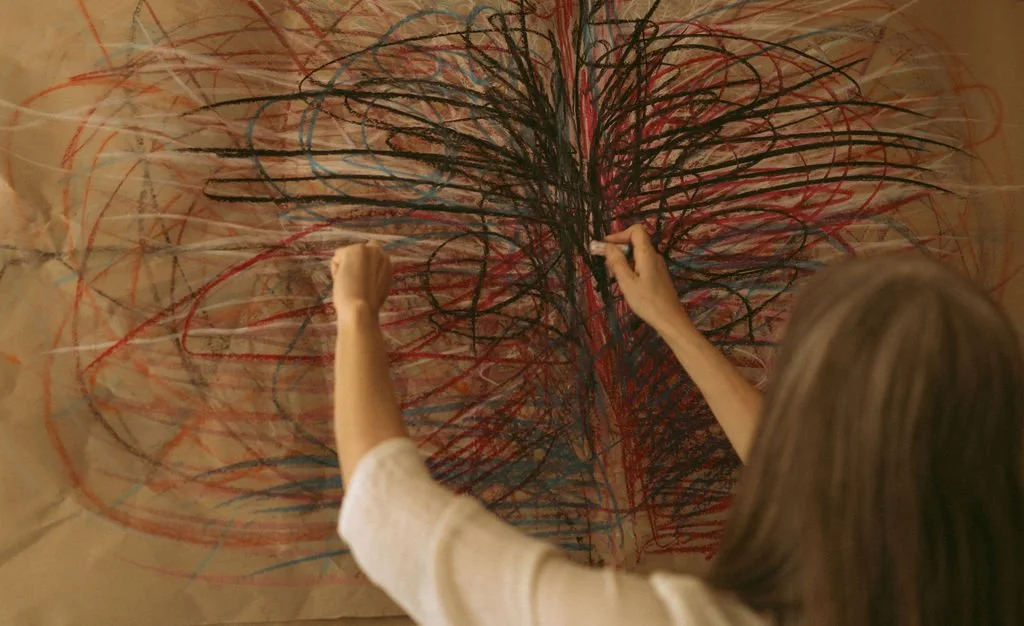
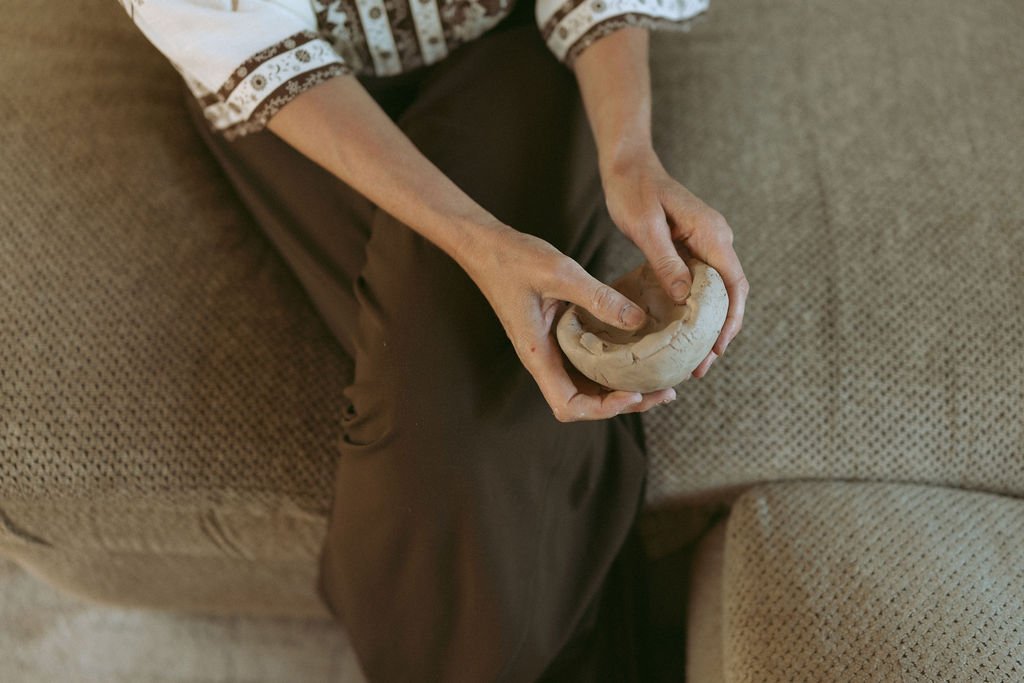
Not at all. Art therapy is about expression and process, not about making “good” art. You don’t need any artistic skill or background. The materials — whether paint, collage, clay, or simple drawing — become tools for exploring feelings, memories, and body responses. The focus is on what emerges in the process, not on creating a finished product.
-
No. Grief therapy is not limited to bereavement. It can also support losses such as the end of a relationship, illness, changes in health, shifts in identity, or major life transitions. Grief therapy helps you honour what has been lost, stay present with the feelings that arise, and find ways of carrying loss that allow for meaning, connection, and resilience.
-
Not exactly. While mindfulness and meditation are related, mindfulness in therapy is not about sitting in silence or following a traditional meditation practice. Instead, it is woven into sessions through simple, accessible practices such as noticing your breath, scanning the body for sensations, or grounding through the five senses. The focus is on cultivating awareness and presence in ways that support regulation and self-compassion.
Mindfulness in therapy is also not a religious practice. It is a practical tool for learning to stay connected to the present moment, gently turning toward thoughts, emotions, and body sensations with openness rather than judgment. These practices can be adapted to your comfort level and do not require prior experience.
-
You don’t have to know before starting therapy. In our first sessions, we’ll talk about your goals, history, and what feels most supportive. I work from an integrative therapy approach, which means I draw on different modalities — such as EMDR, somatic therapy, mindfulness, or art-based practices — and tailor them to your needs. Together, we’ll choose where to begin, and we can adjust the approach as your needs change over time. There is no single “right way” — we’ll find what works best for you.
Get Started
Interested in learning more? I’d love to hear from you! The first step is to request a free 15-minute consultation.